One pot for twenty
When you're feeding a crowd, the temptation is to cook more of everything. The smarter move is to cook fewer things.
Scale down the menu, not just the portions
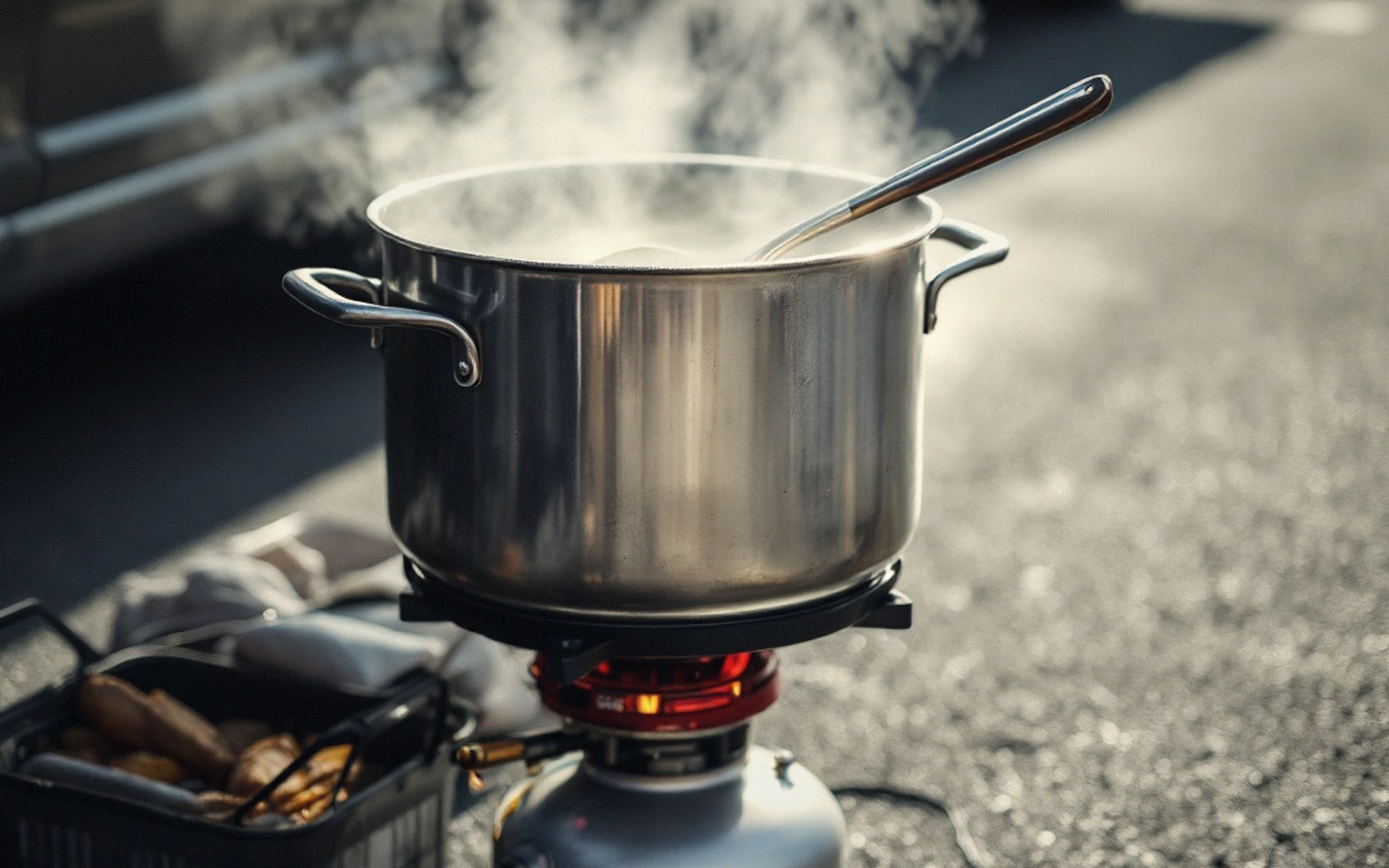
A single Dutch oven of chili, a long foil tray of braised brisket, a pot of rice kept warm under a doubled towel — these feed twenty people with fewer moving parts than four separate dishes scaled to serve five. The logic is simple: every additional item you cook is another thing that can run out early, finish late, hold badly, or require its own set of tools. Multiply that risk by four dishes and you've built a small restaurant kitchen in a parking lot, with no gas line and no backup plan.
The constraint isn't effort — most tailgaters are willing to work. The constraint is simultaneity. A single propane burner can only do one thing at full heat at any moment. A single cast-iron pot retains heat well enough to hold through the walk to the gate and back. One serving station, served from one long side, moves twenty people through in three minutes. Two stations and two dishes does not halve the time; it usually doubles the confusion.
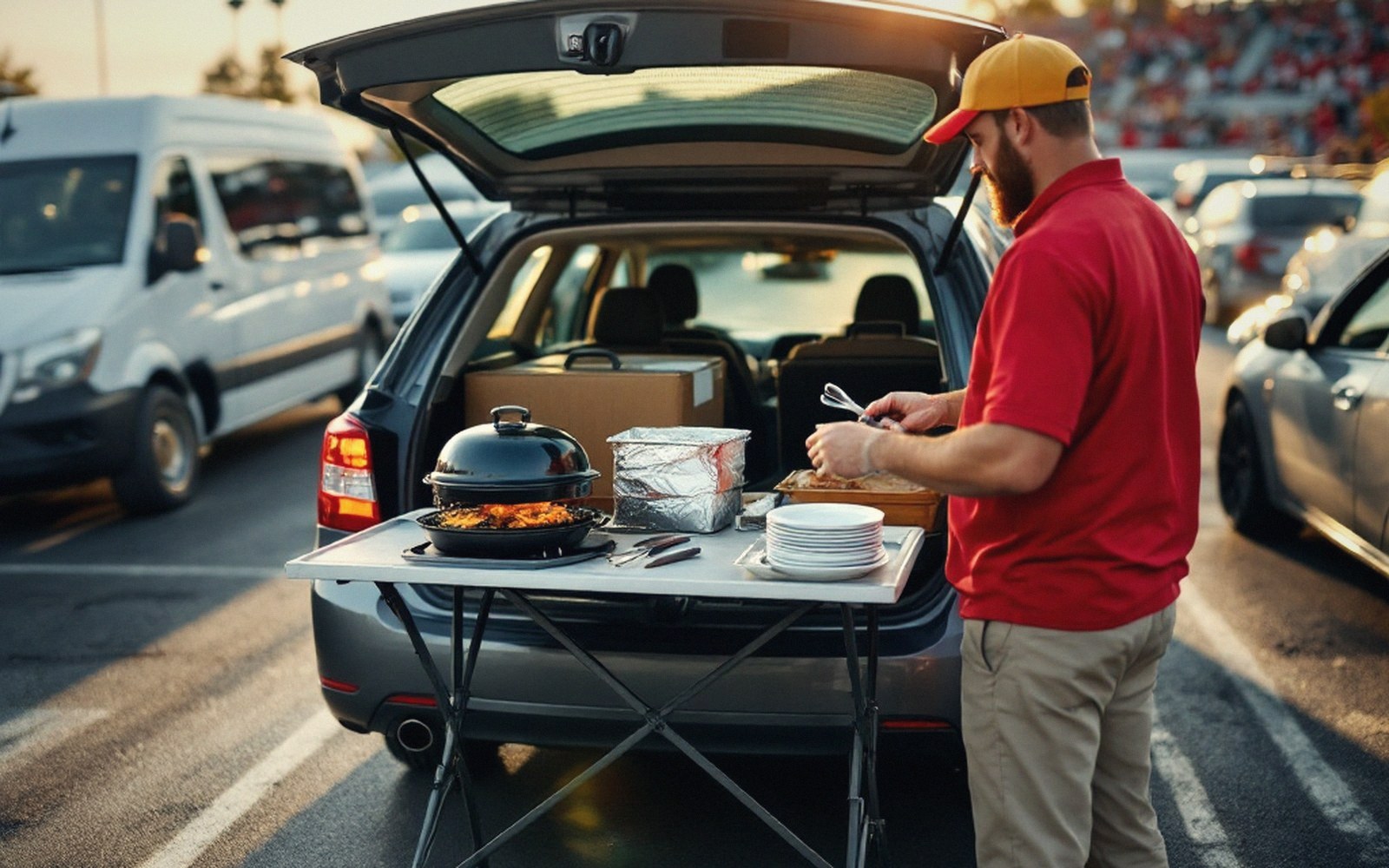
Choose a recipe that scales honestly. Braises, stews, chilis, and red beans all improve with volume — a larger thermal mass holds temperature longer, and the flavor deepens rather than diluting. Grilled items, by contrast, scale badly: each piece needs individual time on the grate, and a crowd of twenty means someone is always waiting or someone's portion is cold. If you want something off the grill, make it one thing — sausages, cut to share — and let the pot carry the meal.
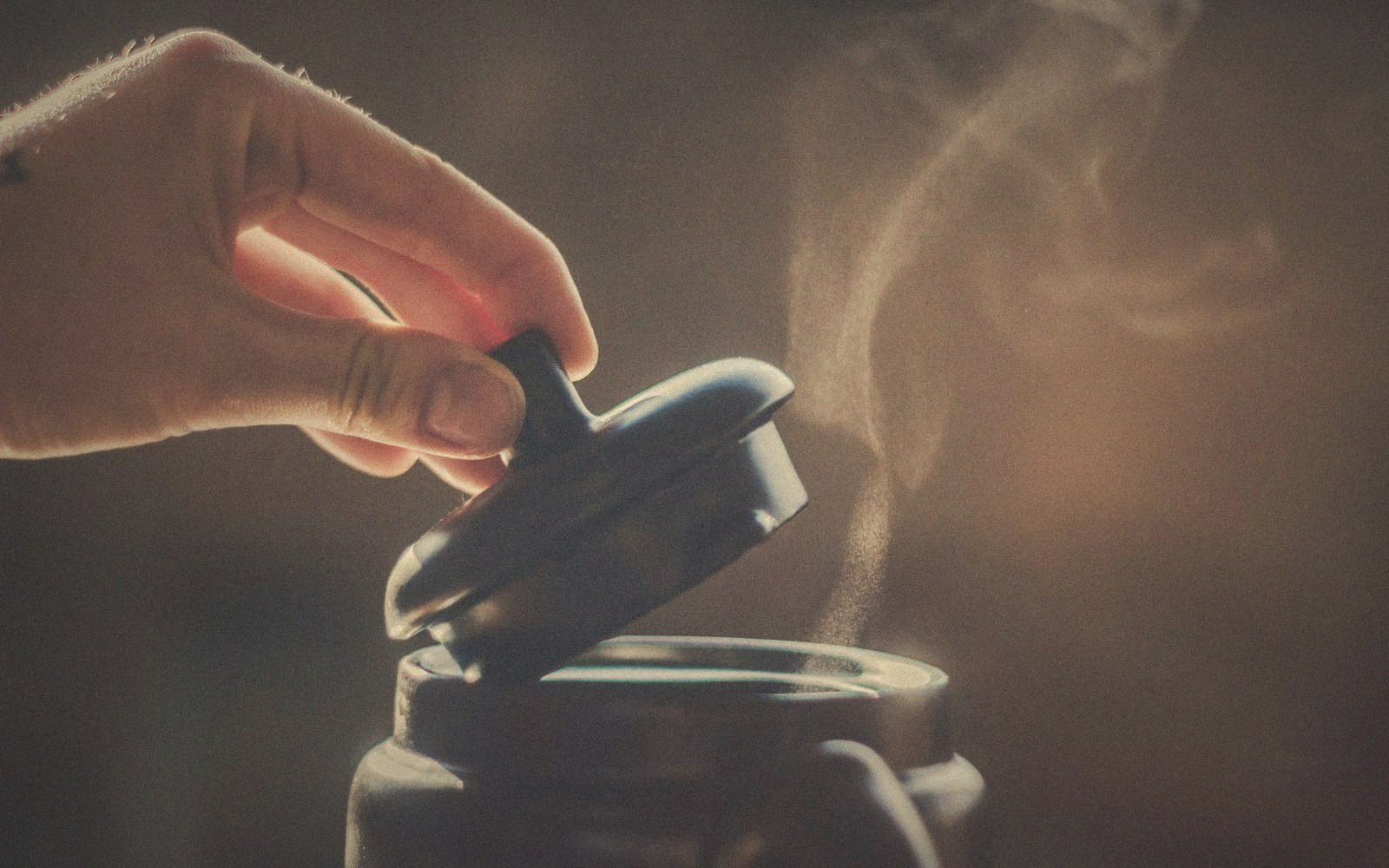
Plan sides that need nothing hot: a slaw dressed that morning, a bread that rides in a sealed bag, sliced fruit. These free the burner for the main and mean that once the pot is set to hold, your active cooking is done. That's the window where the lot is at its best — music up, people arriving, the smell of something good already doing its work — and you want to be in it, not over a flame.
The scaling principle
- One dish scaled up more servings from the same recipe, managed with one vessel, one heat source
- Multiple dishes scaled out exponentially more risk: timing conflicts, tool conflicts, holding failures
Also worth knowing
- The honest scalers — braises, chilis, stews, beans; they improve with mass rather than suffering from it
- The dishonest scalers — grilled individual pieces; each one needs its own time and attention regardless of batch size