Why noise matters
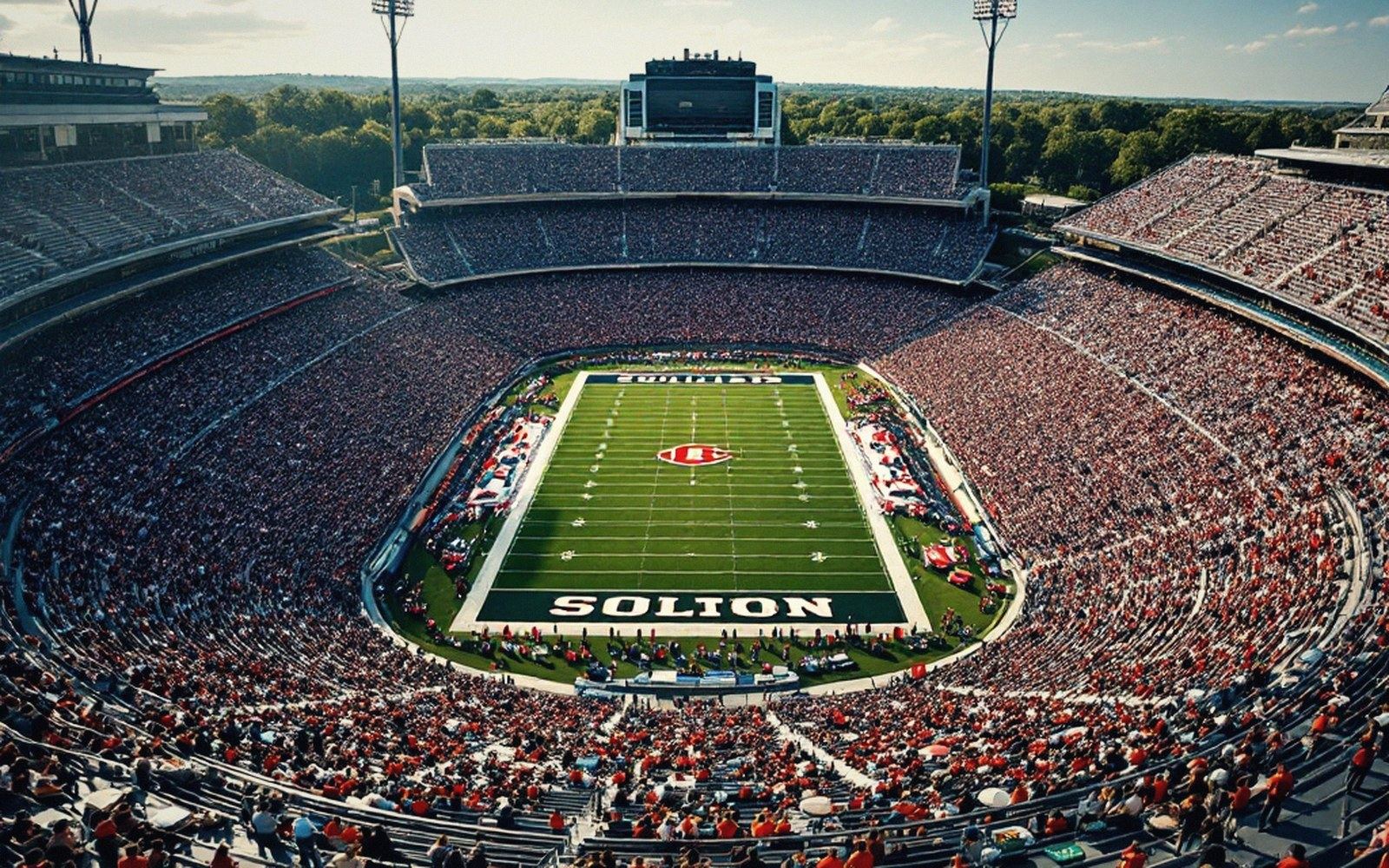
The crowd is doing something, not just expressing something
A loud stadium feels like pure emotion, and it is — but it is also interference. When a visiting offense lines up under center, the quarterback has roughly two seconds to read a defense, call a protection change, and get the snap away cleanly. Every word of that process has to travel from his mouth to his linemen's ears across a few feet of open air. A crowd making seventy or eighty thousand separate decisions to be as loud as possible at exactly that moment is not celebrating — it is jamming a signal.
The mechanism is straightforward. Offensive linemen cannot see the quarterback once they are in their stance; they listen for the snap count. A defensive line that knows the count is not coming their way can fire off the ball on instinct. Visiting offenses will false-start — not from nerves exactly, but because the player next to them moved and they heard nothing to tell them it was wrong. Protection calls, audibles, hot reads at the line of scrimmage: all of it depends on players hearing each other, and crowd noise at its peak makes that nearly impossible.
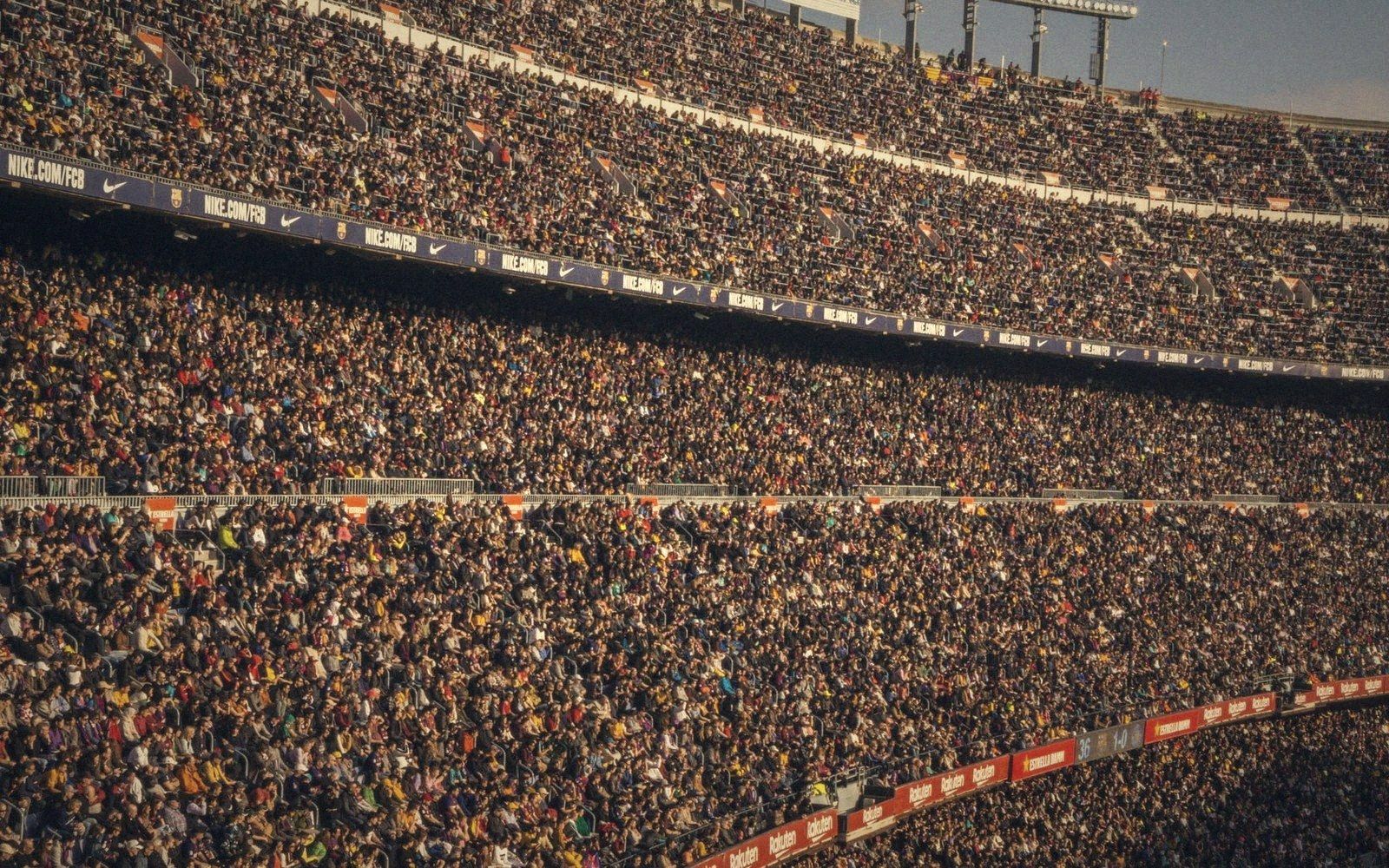
This is why home crowds are coached, sometimes explicitly. The logic behind rising on third down, staying on your feet while the other team has the ball, and going quiet the instant the home offense approaches the line is the same logic that governs communication systems anywhere: you protect your signal and destroy theirs. The student section tends to be positioned behind one of the end zones partly for this reason — they are dense, standing, and loud by habit, and a visiting offense driving toward that end is driving into a wall of sound. That section's organisation makes it disproportionately effective relative to its size.
The physics have real thresholds. Research in sports acoustics consistently places intelligible communication between players at risk above roughly ninety decibels at field level — a figure many large stadiums reach on critical downs without difficulty. Bowl-shaped venues and enclosed upper decks amplify and focus crowd noise downward rather than letting it escape outward. This is not accidental; it is a byproduct of design choices that also help every fan hear the band.
How the noise works
- Snap count the cadence a quarterback calls to trigger the offensive line to move; inaudible in crowd noise, it becomes guesswork
- Audible a last-second play change called at the line of scrimmage; requires players to hear each other clearly
- Hot read a pre-snap adjustment to attack a specific defender; also verbal, also vulnerable to crowd noise
Understanding this changes how the experience reads from the outside. What looks like celebration is partly a crowd functioning as a coherent defensive tool, sustaining noise long enough and at the right moments to force a timeout, a false start, or a botched protection. The visiting team's offensive coordinator knows it. That is why the road team huddles longer, why snap counts get simplified to one, and why a loud stadium is a genuine competitive factor — not a color piece, not pageantry, but pressure applied deliberately to the other side's ability to function.
Also worth knowing
- False start — an illegal movement by an offensive player before the snap; rises sharply in loud road environments
- Protection call — a blocking assignment communicated by the quarterback or center at the line; collapses under peak crowd noise