The Student Section
Arranged to be loud — the student section is not simply where young fans sit; it is the instrument the stadium plays.
Built to Amplify
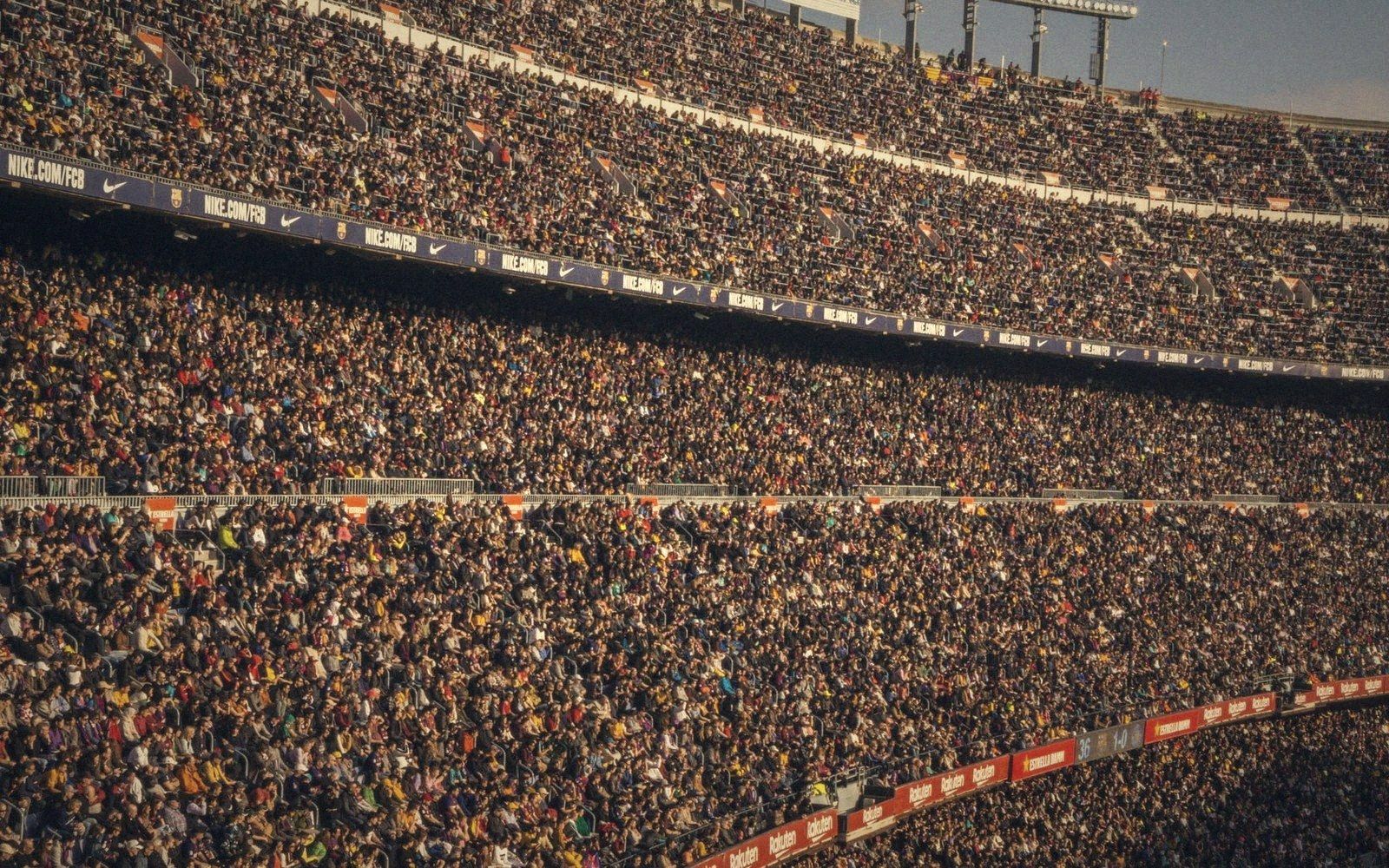
Every large stadium has a student section, and its placement is never accidental. Students go behind one end zone, or low and tight against one sideline, for the same reason a drum kit goes at the back of a stage: they generate the most sound and they sustain it longest. Seat-holders in the upper tiers contribute volume from height; students contribute intensity from proximity to the field. The combination is what makes an enclosed or partially enclosed bowl genuinely threatening to visiting offenses.
The section works because it is dense and because it stands. No seat-back, no cup holder, no personal space to speak of. Students pack in shoulder to shoulder, which is uncomfortable and acoustically ideal — a wall of bodies reflects and focuses sound in ways that empty plastic cannot. When the visiting quarterback steps to the line and looks up, the student section is not behind glass; it is close, continuous and already moving.
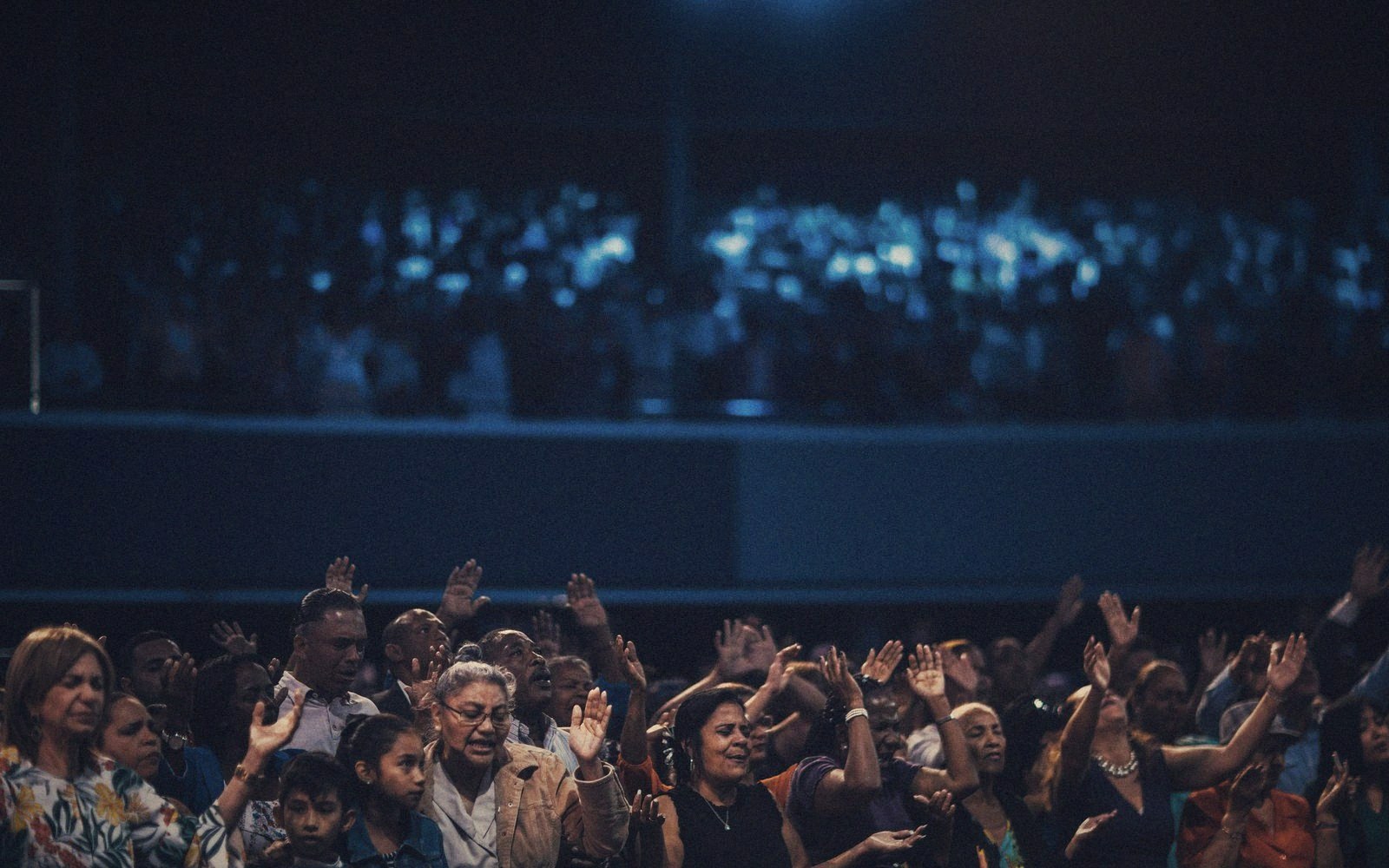
Density is also why the section stays loud across four quarters when the rest of the crowd fades. Fatigue is social. In a scattered crowd, individuals feel free to sit, check their phone, trail off. In a dense one, the cost of stopping is visible to the person next to you. The section enforces participation on itself.
Organised Noise
Spontaneous noise and organised noise are different things, and the student section runs on both. The spontaneous kind — the surge when a fumble is forced — needs no coordination. The organised kind is managed by a small group at the front: a cheer block, a spirit squad or simply a cadre of regulars who have been in the section long enough to know the calls.
The mechanics are elementary. A leader turns and faces the crowd rather than the field, which is the key inversion — back to the action, full attention to the people. Arms go up; the section reads the cue; the chant starts. The call-and-response structure of most stadium chants exists precisely for this environment: a leader initiates, the crowd completes. No one needs to know the whole sequence; they need to know only their half of it, and the pattern teaches itself within a few repetitions.
How it works on the ground
- Standing, dense seating no chair-backs, shoulder-to-shoulder packing
- Cheer leaders face the crowd, not the field the key inversion
- Call-and-response structure: leader initiates, section completes
- Timing the chant early (before the snap) lets it ripple into upper tiers
- Percussion and clapping replace the band on defense when music stops
Timing is what separates a section that leads the stadium from one that only joins it. The student section's job is to start early — before the play develops, on third down, the moment the visiting offense breaks the huddle. A chant begun in the student section thirty seconds before a snap ripples into the upper deck in ten. The reverse almost never happens.
The Marching Band Connection
The marching band is the student section's external skeleton. Brass and percussion set a tempo the section can lock onto, and fight songs function as reset signals — after a score, chaos resolves into a known melody, everyone finds the same rhythm, and the section reconstitutes as a unit. Without that anchor, a big crowd is just noise. With it, the noise has shape.
The percussion line matters most on defense, when the band cannot play freely. A rhythm tapped from the stands — clapping patterns, stomping — lets the section maintain pressure without melodic support. It is a more primitive signal and therefore more reliable: it needs no words, no pitch, no sequence. Just a pulse the body follows without deciding to.

Why It Persists
Student sections are sometimes redesigned out of existence in stadium renovations — replaced with chair-back seating that generates revenue per seat. The ones that remain are kept for a reason programs understand even when they resist stating it plainly: a quiet student section is audible evidence that something is wrong. The section is the stadium's mood ring. When it is packed, upright and in sequence with the band, the building sounds dangerous. When it is thin or seated or late to chants, the visiting team notices — and so does everyone else. The section does not just respond to the game. It shapes how the game feels to the people playing it.
What's at stake
- Dense crowds enforce participation socially — harder to opt out when everyone around you is in
- A thin or quiet student section is visible evidence of low morale; visiting teams read it
- Stadium renovations sometimes remove student standing sections for revenue seating — programs that keep them do so knowingly