Cold Food, and What to Bin
The cooler kept it; the table did not. Learning to read what's salvageable and what isn't is the last skill of the day.
The Rule Is Not Complicated
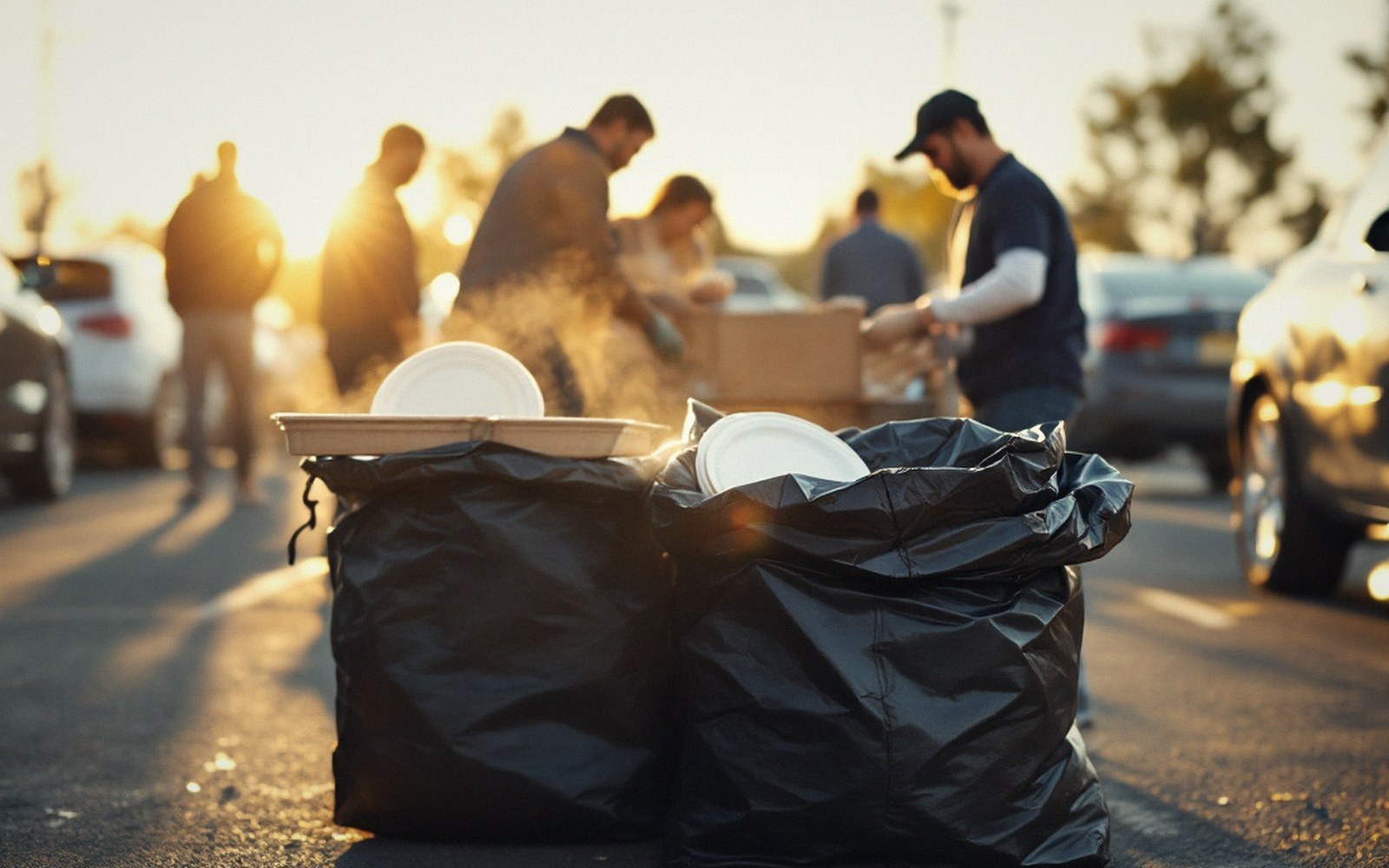
Two hours is the outer limit for cooked food held without refrigeration (one hour above 90°F), and a full day in the lot will almost certainly exceed it. By the time the stadium empties and the walk back is done, anything that sat out through the afternoon is gone — not probably gone, not maybe gone. Gone. The guidance here is not a matter of taste or caution level; it is the standard food-safety threshold, and it applies whether the spread looked pristine at the end or not. Pathogens leave no visible trace. A pan of pulled pork that smells fine and looks fine is not evidence of anything.
The practical line: if it was hot and it stopped being hot more than four hours ago, it goes in the bin. If it was cold and it left the cooler for the table and sat there, apply the same clock. The moment food enters the temperature zone between roughly 40°F and 140°F, the count starts, and in a parking lot on a warm afternoon it starts fast.
What Actually Survives
The shorter list is what you can keep. Food that stayed sealed inside a well-managed cooler throughout the day — raw vegetables, sealed dressings, whole fruit, drinks — is generally fine, provided the cooler held temperature. Open the food cooler for the first time on pack-down, check that ice or ice water is still present, and assess. If it got warm, treat everything in it the same way you treat anything from the table.
Hard cheeses, whole uncut citrus, packaged crackers, and anything shelf-stable by design survived on their own terms, not because the temperature zone was kind to them. Take those. Commercial condiment packets are fine. Anything cut, dressed, cooked or previously opened that spent significant time outside refrigeration does not make the journey home.
The discard rule — condensed
- Cooked food out of refrigeration for more than 4 hours discard
- Cold food that warmed in a failed or repeatedly opened cooler discard
Pack-Down Is Not a Negotiation
The end of the day is when judgment tends to slip — people are tired, the cooler looks full, the bin looks wasteful. The instinct to rewrap a tray and deal with it later is the one to override. Anything going into the car should have a clear, defensible reason; the default position is the bin.
One practical habit: at setup, designate a separate bin bag for food waste. It means pack-down is a single action — the table gets cleared into it — rather than a series of small decisions made when nobody has the energy to make them well.
Also worth knowing
- Anything cut, dressed, or opened that sat on the table through the afternoon — discard
- Sealed, shelf-stable or whole uncut items that never entered the temperature zone — keep