The Rest of the Year
An eighty-thousand-seat stadium sits in the middle of a small city three hundred and fifty-nine days a year. What it actually does with that time.
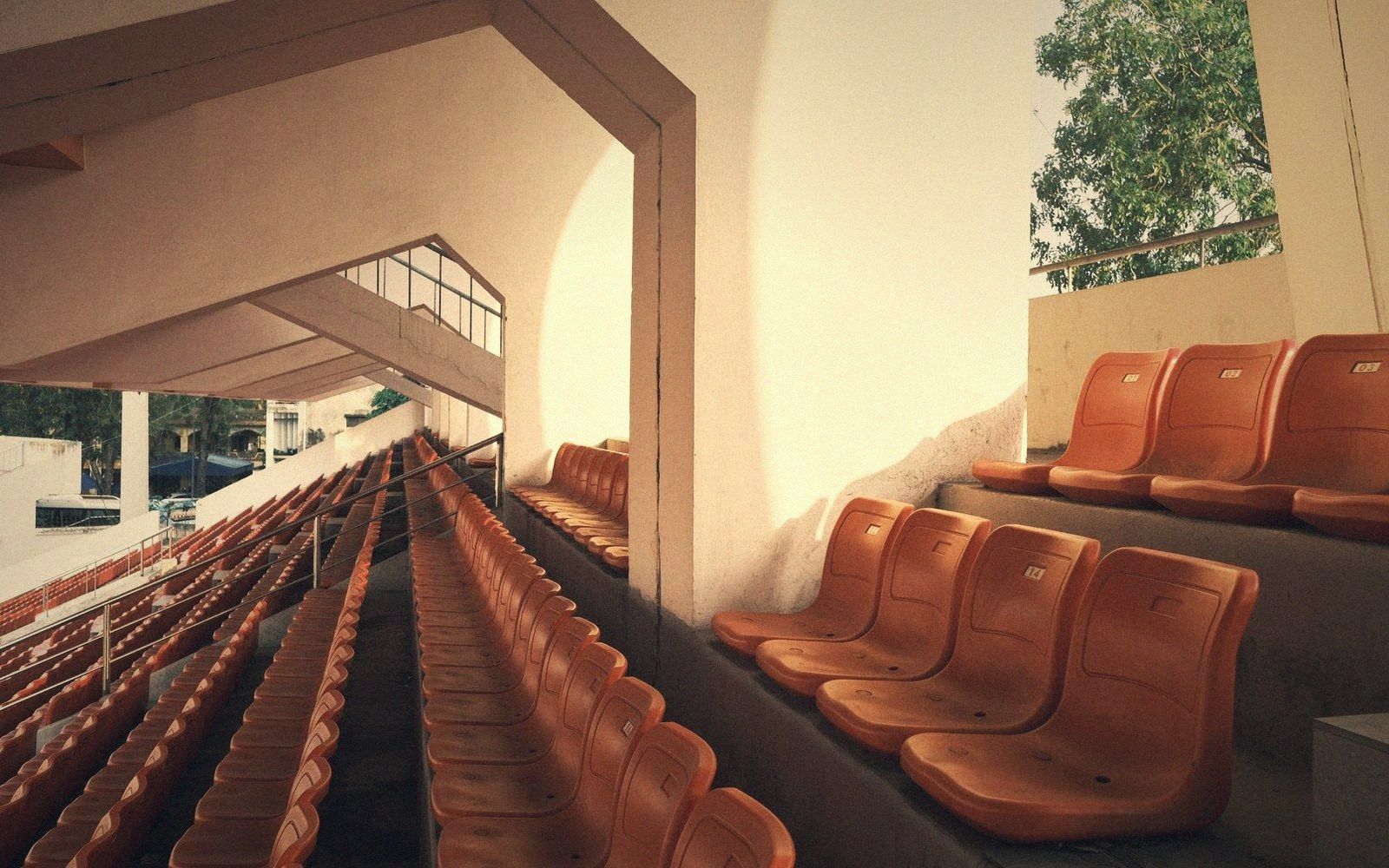
The Quiet Inside the Walls
Walk past the stadium on a Tuesday in February and the gates are chained, the parking structures empty, the vendor shutters rusted half-down. The scale of the place — built for a population that floods in six Saturdays and vanishes by Sunday morning — is almost comic against the bare streets. But the building is not truly idle. It is expensive to own and too large to waste, so institutions find ways to fill it.
Graduation ceremonies claim the field in spring, processing thousands of students through the same end zone that absorbed a fourth-quarter touchdown in October. The acoustics are wrong for the occasion — sound rises and dies in the open bowl — but the capacity is right. No other venue in town holds ten thousand people standing, and that fact alone drives the booking. Concerts use the same logic. A touring act that sells ninety thousand tickets on the coasts can sell forty thousand in a mid-sized college city if the room exists, and the stadium is the room. Crew doors, loading docks, electrical infrastructure already installed for broadcast — the bones are already there.
Inside the concourses, the athletic department runs year-round. Strength coaches and trainers work in facilities built beneath the seating decks. Administrative offices fill corridors that smell of concrete and old paint. On a typical weekday the building might hold several hundred people quietly doing desk work beneath a structure designed to shake with crowd noise.
The field itself is the most contested square footage. Natural grass, where it survives, needs a full growing season to recover from a home schedule; artificial surfaces invite more intensive use and therefore more argument about what counts as wear. High school championship games, soccer tournaments, community fundraiser walks that circle the track — every event is negotiated against the turf management calendar, and turf managers lose fewer of those arguments than they would like.
Scale and contrast
- The ratio six event days versus roughly three hundred and fifty-nine quiet ones — is the central tension of the stadium's year, and the calendar bears it out.
- Mapped month by month, the stadium's calendar of games, graduation, concerts and turf recovery windows shows how thin its use actually is.
For the surrounding town, the stadium's off-season presence is felt differently than its game-day eruptions. It still anchors the street grid, still terminates sight lines, still fills a city block that in any other context would be commercial real estate. Local runners use its exterior ramps. Food trucks that could not get a gameday permit sometimes set up outside its locked gates on summer weekday lunches, serving the office workers inside.
The six Saturdays are what a town that doubles knows it is built for. The other three hundred and fifty-nine days are what the town actually lives inside of — a monument to a single ritual, doing its best to be useful in the meantime.