The Economics of Six Saturdays
A parking lot attendant, a diner owner, a hotel manager — each one running a different clock, all pointing at the same six dates.
When the Calendar Has Six Red Circles
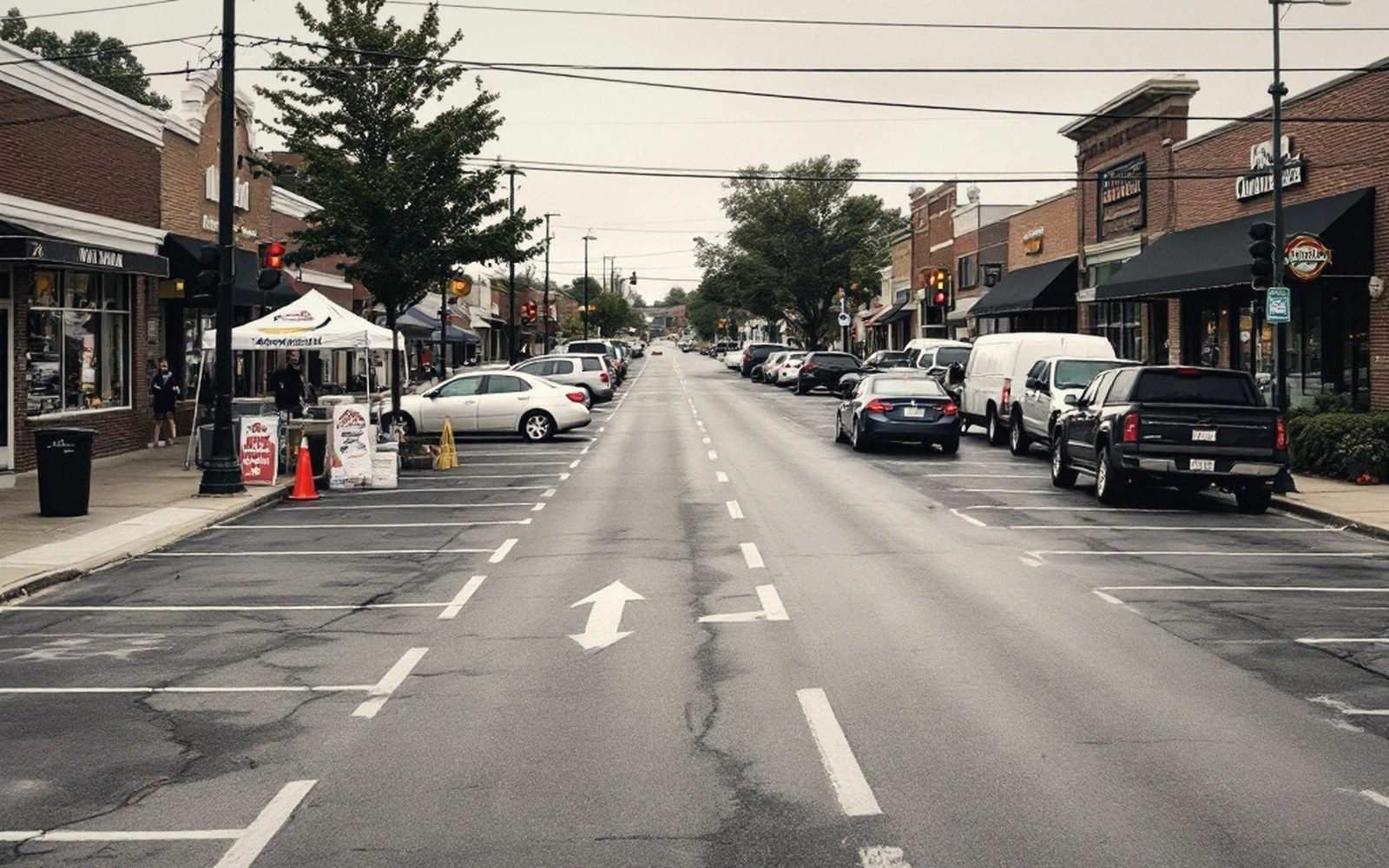
For most businesses, revenue is roughly predictable week to week. For a business anchored to a college football town, it is not. A hotel that runs at modest occupancy through September can be full at three times its shoulder rate on the same weekend. A restaurant that seats eighty people might turn those tables five times in a single afternoon. The math of the whole year can hinge on six Saturdays, sometimes fewer.
The hospitality layer feels it most acutely. Rooms that normally go begging are sold months ahead at peak prices, and the innkeepers who have operated long enough know that a cancelled game — weather, or the rare schedule shift — lands like a financial emergency. Restaurants hire back seasonal staff, extend hours, prep volume they would otherwise never see, and often simplify the menu entirely: fewer dishes, made in quantity, served fast. That is a rational response to a constraint. The queue outside will not wait for something elaborate.
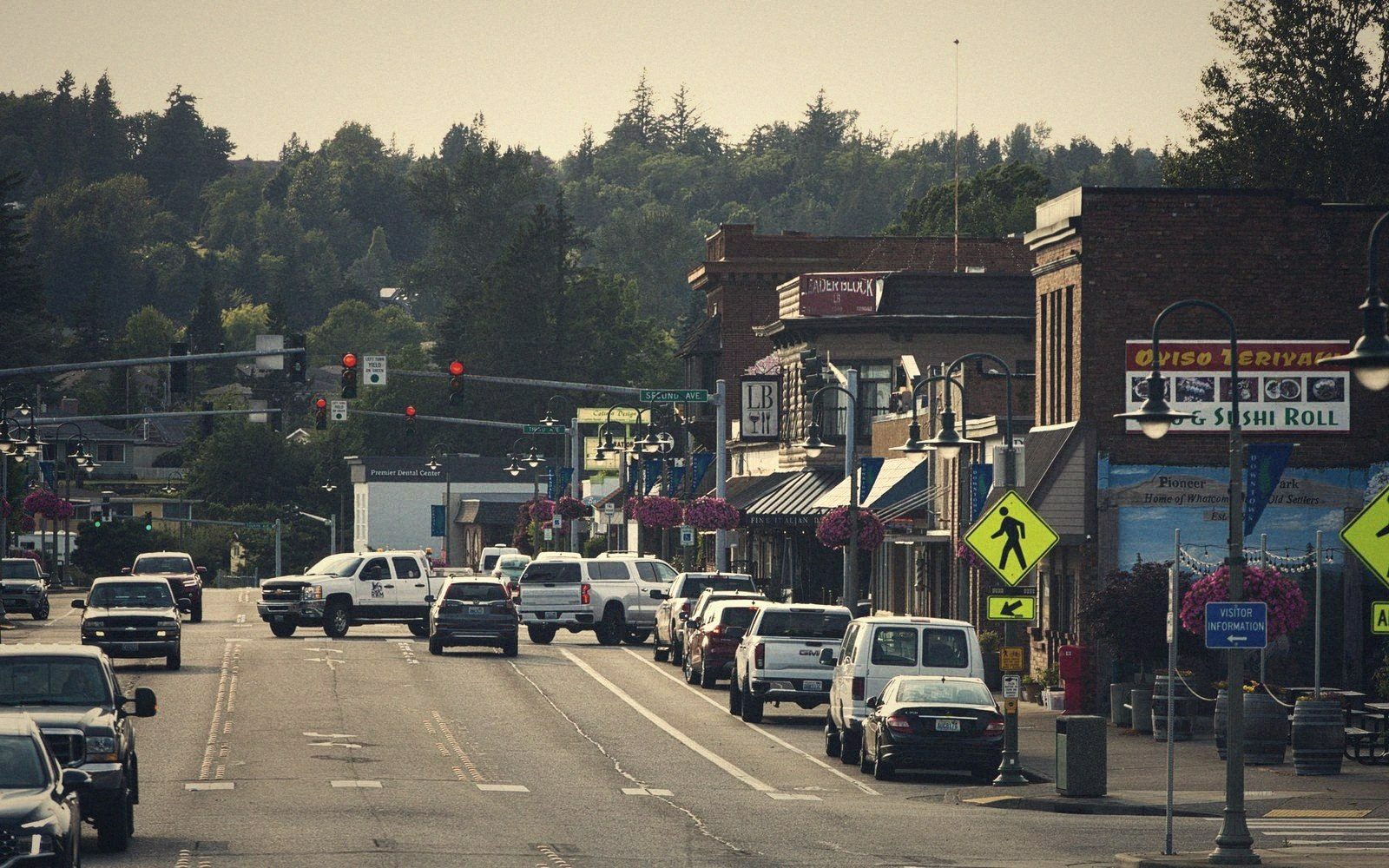
Parking is a market in miniature. Private lots, church lots, a homeowner's front lawn — all of it gets priced by proximity and shade, and the informal entrepreneurs who manage these spaces earn in one Saturday what some weeks cannot touch. The same logic extends to anyone selling anything portable: programmes, cold drinks, logo merchandise hauled in on a folding cart. The window is a few hours and the customers are coming regardless.
The effect runs beneath the surface too. Utility loads spike; waste-collection crews stage extra trucks the night before; local police and fire departments log significant overtime. None of those costs are glamorous, but the host municipality is running its own version of the same calculation — whether what flows in through sales tax and bed tax covers what flows out in services. In most college football towns, it does, often by a comfortable margin, which is why civic support for the program tends to be reflexive rather than argued.
The business sprint — numbers worth pulling
- Hotels can sell at multiples of their normal rate on game weekends; many sell out months in advance
- Restaurants often cut menu size and multiply covers on the same day
- Private parking (lots, lawns, church lots) is an informal but significant micro-market
What makes this unusual as an economic structure is the concentration. Spread the same revenue across fifty-two weekends and it would be unremarkable. Compressed into six, it requires a kind of operational sprint — hiring, stocking, logistics — that most small-town businesses would otherwise never attempt. That compression is what transforms the town itself in ways visible from the highway: the flags out, the lots filling before dawn, and the quiet on Sunday that follows.

Also worth knowing
- Overtime for municipal services — police, waste collection, utilities — is a real cost set against tax inflows
- Cancellation of a single game is treated as a financial emergency, not an inconvenience