Claiming a Space
Arrival order is the first decision of the day, and it determines almost everything that follows — shade, flow, neighbour proximity, and how long the pack-down takes.
The lot as a blank slate — briefly
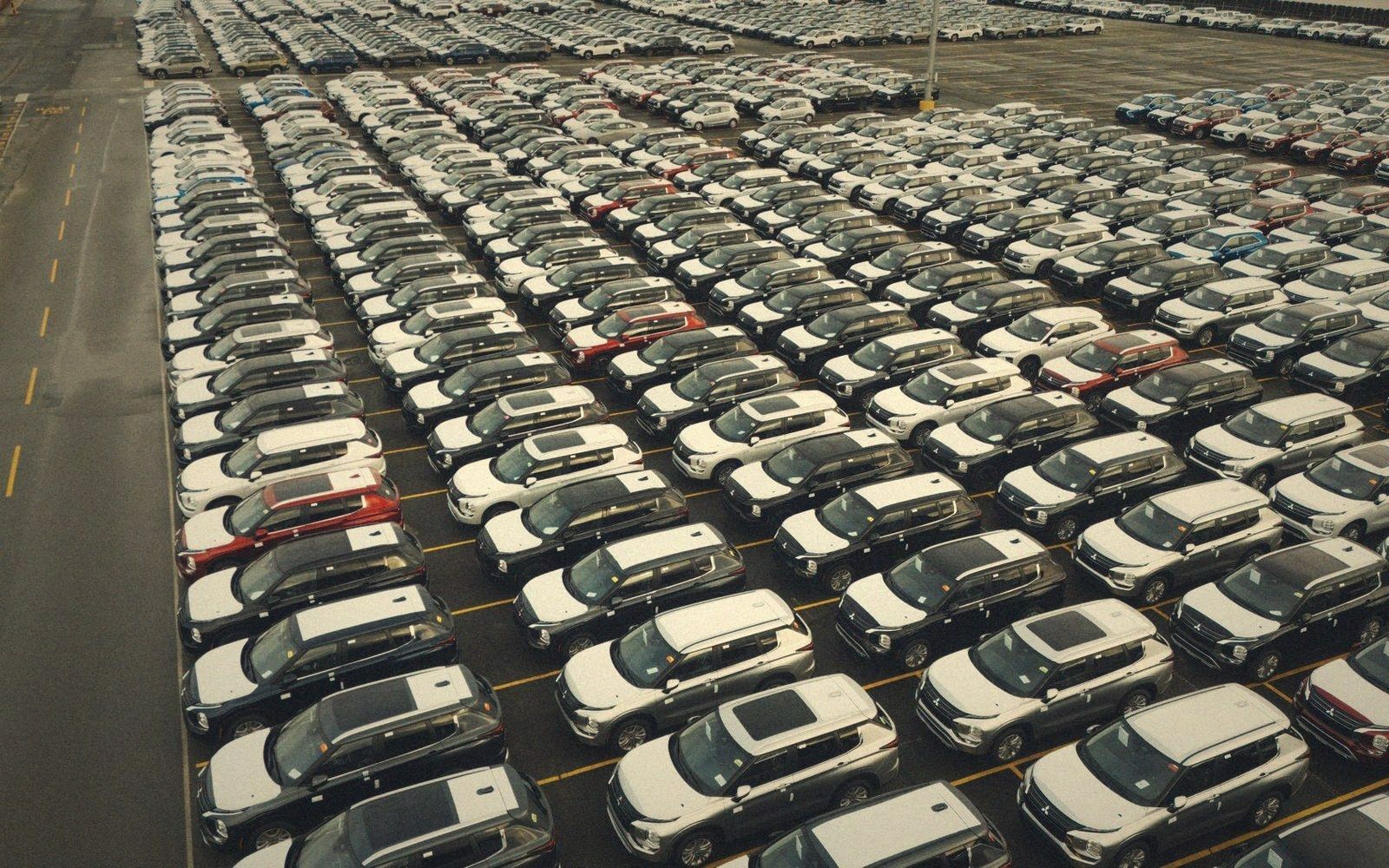
When the gates open, the lot is genuinely equal: unmarked asphalt, no assigned positions, first-come first-served. That window closes fast. Why the lots open at dawn is partly a cooking and setup question, but it is also a land-rush logic — the crews who arrive at first light are not all obsessive; many are simply protecting their options. By the time the parking attendants are waving in the later wave, the best positions are long gone, and the latecomers are squeezing into whatever geometry the earlier arrivals left behind.
What makes a position good is not always obvious from the road. Shade is the clearest prize — a tree line or a stadium wall that will throw shadow at noon — but orientation matters too. A spot with its back to a fence gives you one controlled edge: nobody sets up behind you, nobody walks through your space, and your canopy can push to its full footprint without negotiating with a neighbour. Corner positions do the same thing with two edges. Both go first.
Reading the lot before you commit
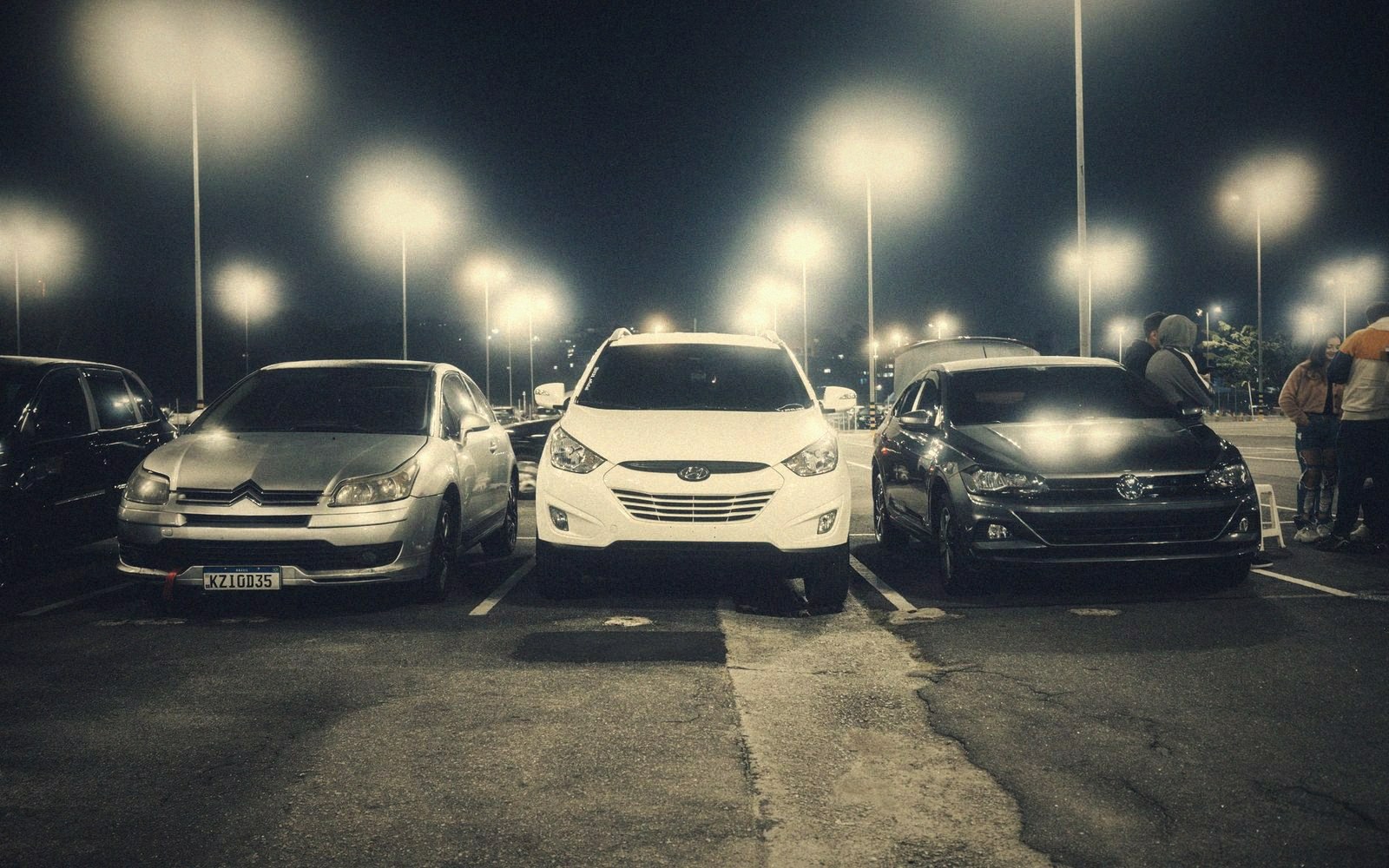
Experienced crews slow down at the entrance and look before they pull forward. They are reading the geometry: which rows still have open anchors, where the shade will fall in four hours, which direction the wind is coming from. A spot that looks roomy at seven in the morning can feel hemmed-in by nine once the adjacent groups have expanded. Asphalt radiates heat through the afternoon, so a position even partly shadowed by a structure — a stadium ramp, a tall trailer — has genuine value that is invisible on arrival.
Wind direction is worth a moment's thought before you park. The grill has to go downwind of the group, and if you pull into a space without thinking about which end that commits you to, you can end up cooking into a neighbour's canopy or your own table. A quick glance at how flags and smoke are moving costs ten seconds.
What experienced crews look for (arrival checklist)
- Shade trajectory where will a tree line or stadium wall throw shadow by noon
- Anchor edges fence lines, walls or corners that close off one or two sides
Proximity to the pedestrian route to the stadium changes the feel of the day completely. A spot on the natural walking line brings foot traffic, noise and a steady stream of strangers drifting through the outer edge of your space from mid-morning onward. For some groups that is the point — the atmosphere, the call-and-response with the crowd, the sense of being embedded in the procession. For others it is exactly what they are avoiding. Neither preference is wrong, but the decision is made at the moment you pull in, not later.
Holding the space
Once you stop, the clock starts. Unloading has to be fast enough that you are visibly in occupation — a vehicle, even an unopened one, holds a space; a vehicle with a canopy frame going up holds it more emphatically. In a busy lot, the moment of ambiguity between parking and setup is when neighbouring crews quietly expand into whatever gap you leave. This is not malicious; it is how lots self-organise. The counter is simply speed: get the canopy frame up, get a table down, establish the footprint before the adjacent groups have finished their own setup.
Most experienced crews assign one person to start the canopy immediately while everyone else handles the coolers and kit. The canopy is the claim. A chair set outside it marks the line.
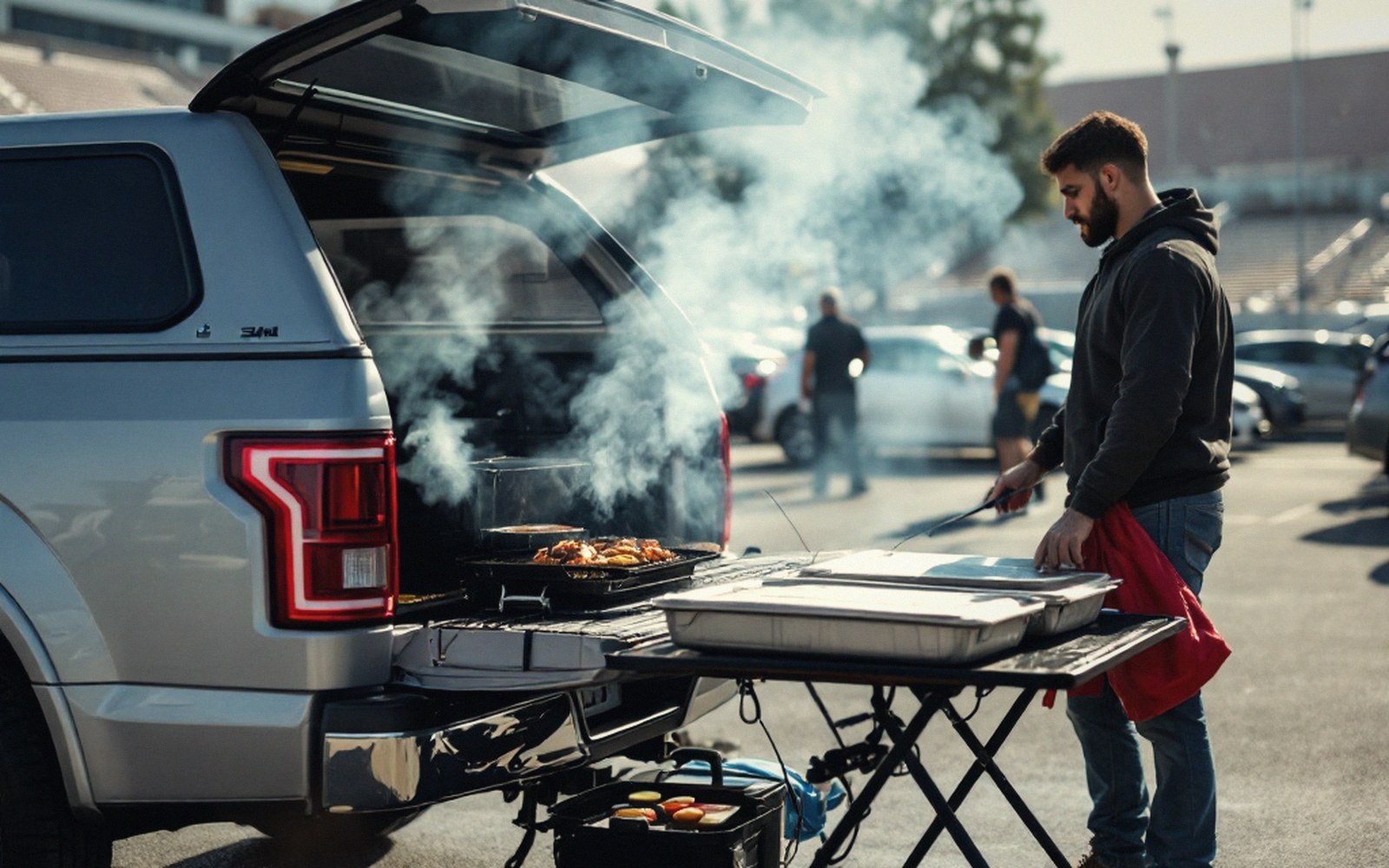
There is an unwritten civility to all of this. People do not poach a clearly occupied space, they do not inch in on neighbours who are already set up, and they leave a walkway rather than sealing off a row. The lot self-polices better than it has any right to, given that the rules are entirely informal. But the foundation of that civility is that everyone arrived on time and everyone knows the shape of what they got.
Also worth knowing
- Wind direction — commits the grill to the downwind end of the space
- Pedestrian flow — on the walking route to the stadium, or off it